

Egusi: The Ultimate Guide to West Africa’s Favourite Melon Seeds
Have you ever spent an afternoon in your kitchen trying to recreate the nutty, rich aroma of a traditional Sunday lunch, only to find your stew lacks that signature lumpy texture you remember from home? It is a common frustration for home cooks across the UK who often settle for gritty, low-grade seeds that fail to deliver the authentic experience. You deserve the joy of cooking with premium egusi that is free from stones and full of the protein-rich goodness your family expects.
We understand that sourcing genuine ingredients in British shops can feel like a gamble, especially when standard pumpkin seeds are often mislabelled as West African melon seeds. This ultimate guide will help you confidently identify high-quality seeds and master the lumpy soup technique that defines the perfect bowl of comfort. You will discover the fascinating history behind these seeds, which contain over 30 percent protein and essential fats; you will also learn how to bring professional West African standards to your own dining table. From understanding the nutritional profile to perfecting your cooking method, we are here to ensure your next meal is a nostalgic success.
Key Takeaways
- Explore the deep cultural roots of these protein-rich seeds and their role as a cherished symbol of hospitality in West African traditions.
- Learn how to identify premium egusi in the UK market, ensuring you choose seeds with the perfect colour and freshness for your recipes.
- Master the three traditional cooking methods to achieve the characteristic texture and rich, aromatic flavour that defines an authentic soup.
- Discover the impressive nutritional profile of these melon seeds, which serve as a premium plant-based protein source for the health-conscious home chef.
- Gain expert tips on sourcing high-grade ingredients in the UK to recreate the nostalgic joy of authentic home cooking with total confidence.
What is Egusi? Understanding the Authentic West African Staple
Egusi is the culinary heartbeat of the West African kitchen. These protein-rich seeds come from specific cucurbitaceous plants, primarily the Citrullus lanatus, a species of melon that thrives in the tropical climates of Nigeria and Ghana. To truly grasp What is Egusi, one must look beyond the generic "melon seed" label often found in Western markets. Unlike the sweet, water-heavy melons enjoyed as a summer snack in the UK, these melons are grown specifically for their seeds. The flesh is often too bitter for raw consumption, but the seeds inside are nutritional goldmines, packed with essential fats and minerals.
In Yoruba and Igbo traditions, egusi represents far more than just an ingredient; it’s a symbol of hospitality and communal joy. Serving a rich, well-seasoned soup to a guest is a gesture of profound respect and welcome. The flavour profile is remarkably sophisticated. When ground, the seeds release a nutty, earthy aroma that transforms into a creamy, savoury base during the cooking process. It provides a foundational depth that allows other spices and proteins to shine, making it an essential staple for anyone looking to recreate the authentic taste of home.
Egusi vs. Pumpkin Seeds: The Critical Difference
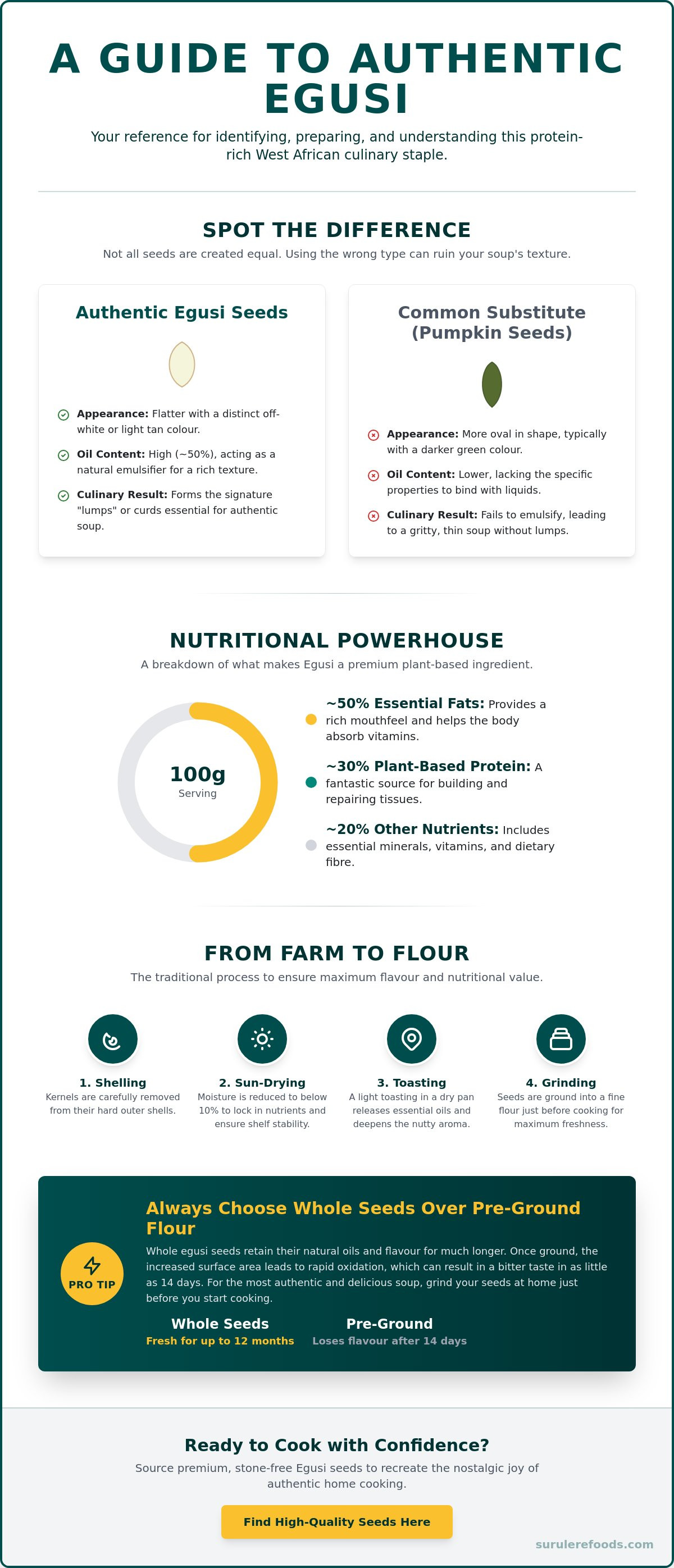
A common mistake for home cooks in the UK is attempting to substitute standard pumpkin seeds or pepitas for egusi. While they might look similar at a glance, the chemical composition is entirely different. Egusi seeds contain approximately 50% oil and 30% protein. This high oil content is vital because it acts as a natural emulsifier, allowing the ground seeds to bind with palm oil and stock to create the signature "clumps" or curds found in traditional soup. Pumpkin seeds lack this specific binding property and won't produce the same luxurious texture. Visually, egusi seeds are flatter and have a distinct off-white or light tan colour, whereas pumpkin seeds are typically darker green and more oval in shape.
The Varieties of Egusi Melons
The most prized variety for Nigerian cooking is the Colocynthis citrullus, though various other gourd types are used across the Pan-African region. The specific variety chosen by farmers directly impacts the oil yield and the thickness of the resulting soup. Seeds with higher oil concentrations produce a richer mouthfeel that is highly sought after by discerning chefs. Preservation is equally vital. Traditional methods involve meticulous sun-drying to reduce moisture levels to below 10%. This process ensures the seeds remain shelf-stable for long-distance transit whilst locking in the nutrients and the delicate, nutty flavour that defines the premium quality we provide at SurulereFoods.
Processing and Preparation: From Whole Seed to Ground Flour
The journey of the melon seed from a hard-shelled fruit to a velvety soup base is a testament to West African culinary ingenuity. Traditionally, shelling was a communal, manual task where seeds were cracked by hand to ensure the delicate kernels remained intact. Modern mechanical methods now dominate the industry, with industrial shellers capable of processing over 150kg of seeds per hour. Despite this efficiency, many home cooks in the UK prefer to purchase pre-shelled but whole seeds. This preference isn't merely about convenience; it's a calculated choice to protect the integrity of the egusi before it hits the pot.
Preparation often begins with a light toasting. Placing the seeds in a dry frying pan for 3 to 5 minutes until they emit a faint popping sound transforms the flavour profile. This process releases essential oils and creates a deep, nutty aroma that defines a premium soup. If you're looking to recreate the authentic taste of home, you can find high-quality whole seeds through our online shop to ensure your base is as fresh as possible.
Whole Seeds vs. Pre-Ground Egusi
Shelf-life is the primary reason to choose whole seeds over pre-ground flour. Whole seeds stay fresh for up to 12 months when stored in an airtight container in a cool pantry. Once the seed is ground, the increased surface area leads to rapid oxidation of its natural fats. This can result in a bitter or rancid taste in as little as 14 days if not stored in a freezer. To get the best results, use a high-powered blender to pulse your seeds into a fine, consistent flour just before cooking. This method preserves the health benefits of egusi seeds, including their high protein and healthy fat content, which can degrade over time in pre-processed versions.
How to Organise Your Prep: Cleaning and Blending
Quality control starts with a clean workspace. Even with premium brands, spend 5 minutes picking through your seeds to ensure they're free from stray shell fragments or tiny stones. Once cleaned, your blending method determines the final texture of your dish:
- The Wet Blend: Process the seeds with chopped onions and approximately 50ml to 100ml of water. This creates a thick, slightly gritty paste. It's the secret to achieving those coveted, protein-rich "lumps" that many find essential in a traditional Nigerian soup.
- The Dry Blend: Mill the seeds into a fine powder without any liquid. This technique is preferred for recipes where you want the egusi to act as a smooth thickening agent, dispersing evenly throughout the broth for a lighter mouthfeel.
Whether you're aiming for a chunky, textured finish or a silky consistency, the control offered by home grinding is unmatched. It bridges the gap between modern UK kitchen efficiency and the slow, deliberate traditions of West African cooking.
Mastering Egusi Soup: Traditional Methods for Perfect Texture
Creating a truly authentic pot of soup requires more than just the right ingredients; it demands a mastery of heat and timing. Nigerian kitchens typically employ three distinct techniques to prepare these ground melon seeds. The frying method involves sautéing the paste in palm oil to create a toasted, nutty profile. The boiling method offers a lighter, smoother finish by whisking the egusi directly into a bubbling broth. Finally, the "lumpy" method creates the prized, protein-like clusters that many diners crave. High-quality palm oil is the soul of this dish, providing the iconic golden-orange colour and a rich, silky mouthfeel that coats the palate.
Every premium pot relies on a foundation of Scotch bonnets (Atta Rodo) for heat and fermented locust beans (Iru) for deep umami. You'll find that stock cubes provide a reliable salt and seasoning base, whilst a diverse mix of proteins adds complexity. A classic West African pot usually includes tough cuts of beef, tender tripe (shaki), and flakes of smoked fish. These textures contrast beautifully with the soft, grainy seeds, turning a simple soup into a celebratory feast.
The 'Lumpy' Technique: Achieving the Perfect Consistency
Achieving large, firm lumps is a mark of culinary skill. You start by mixing the ground seeds with a small amount of water or blended onions to form a thick, malleable paste. To ensure these lumps remain intact during the cooking process, some chefs stir in a beaten egg as a natural binder. You must drop small spoonfuls of this paste into the boiling stock and resist the urge to stir. Leave the pot undisturbed for at least 12 minutes. This allows the proteins to "cake" and set firmly. If you stir too early, the lumps will disintegrate into a grainy sauce rather than the chunky texture that characterises premium Nigerian catering.
Regional Variations Across West Africa
Whilst egusi is a staple across the continent, regional preferences dictate the final result. In Ghana, Agushie stew is often thicker and frequently served alongside boiled yam or plantain. Nigerian versions are more versatile, often incorporating a heavy hand of leafy greens to balance the richness of the seeds. You might choose spinach for a mild finish, bitter leaf for a traditional medicinal tang, or waterleaf to add moisture. Some coastal regions even introduce ground crayfish or different seed thickeners to customise the flavour profile to local tastes, ensuring the dish remains a deeply personal expression of heritage.
Nutritional Powerhouse: The Health Benefits of Egusi Seeds
Egusi isn't just a culinary staple for thickening soups; it's a dense concentration of vital nutrients that fuels millions across West Africa. These seeds consist of roughly 30% high-quality protein by weight, making them a primary plant-based source for those looking to reduce meat consumption without sacrificing strength. Beyond protein, the seeds are packed with vitamins A, B1, and B2, alongside essential minerals like potassium and magnesium. When you pair a rich melon seed soup with traditional swallows like pounded yam or garri, you create a nutritionally complete profile. The carbohydrates from the swallow provide immediate energy, whilst the seeds offer the necessary amino acids and fats for tissue repair and hormonal balance.
Heart Health and Essential Fatty Acids
The lipid profile of these seeds is dominated by unsaturated fats, which help manage cholesterol levels by increasing high-density lipoprotein (HDL). These healthy fats are essential for cardiovascular longevity. The ratio of linoleic acid, an essential omega-6 fatty acid, typically accounts for over 60% of the total fatty acid composition in these specific melon seeds. This high concentration of essential fatty acids supports cellular integrity and skin health. The presence of natural antioxidants like alpha-tocopherol helps combat oxidative stress, reducing systemic inflammation that can lead to chronic heart conditions.
A Natural Source of Tryptophan
One of the most remarkable benefits of the seeds is the high tryptophan content. This amino acid is the precursor to serotonin, the neurotransmitter responsible for mood regulation and restful sleep. Unlike some whole legumes that can cause bloating or digestive discomfort, ground seeds are highly digestible and gentle on the stomach. This ease of absorption is why West African traditions often favour seed-based broths for nourishing convalescents and new mothers. It provides a concentrated burst of energy and nutrients that the body can process quickly during recovery. This nurturing quality makes it a favourite for families across the UK looking to maintain their heritage of health.
Experience the authentic taste and health benefits of premium ingredients in your own kitchen. Shop our authentic egusi seeds to bring the joy of Nigerian home cooking to your home.
Where to Buy Premium Egusi Seeds in the UK
Finding authentic, high-grade egusi in a standard UK supermarket often feels like a frustrating search. Most mainstream aisles stock generic seeds that lack the specific oil content and texture required for a rich Nigerian soup. When you're searching for quality, look for seeds with a uniform, creamy-white colour. Avoid any batches that give off a damp or mouldy scent. This usually suggests poor drying processes or improper storage. High-quality seeds should also be free from excessive dust or shell debris, ensuring your cooking process remains seamless and clean.
SurulereFoods bridges the gap between West African traditions and British convenience. We provide the essential staples that define the Nigerian kitchen, including nutrient-dense palm oil and pungent iru. By focusing on premium standards, we ensure you don't have to settle for subpar substitutes found in local shops that might have sat on the shelf for too long. Our products are selected with the same care you would use if you were shopping at a local market back home.
The SurulereFoods Quality Guarantee
We act as a knowledgeable cultural bridge, sourcing only the ingredients we'd be proud to serve at our own family tables. Our commitment goes beyond just selling products; we provide a curated experience for the diaspora and food enthusiasts alike. We offer reliable nationwide delivery across the UK. This means home cooks in rural areas or busy cities can access authentic flavours without stress. Our "Learn to Cook" initiative also helps customers master these traditional dishes, turning unfamiliar ingredients into favourite weekly meals with ease.
Storing Your Egusi for Maximum Freshness
Proper storage is vital to maintain the delicate profile of your melon seeds. Because of their high oil content, they can be sensitive to temperature changes. Use these tips to keep your ingredients fresh:
- Transfer seeds to an airtight container immediately to prevent natural oils from turning rancid.
- Store ground egusi in the freezer to extend its shelf life for up to six months.
- Keep whole seeds in a cool, dark cupboard away from direct sunlight or stove heat.
- Check your stock regularly for any clumping, which can be a sign of moisture ingress.
Bring the Authentic Taste of West Africa to Your UK Kitchen
Cooking a perfect pot of soup is about more than just following a recipe; it's a powerful way to reconnect with your heritage through the sensory experience of food. You've discovered how these nutrient-dense seeds provide essential proteins and healthy fats, making egusi a versatile staple that nourishes your family. Achieving that sought-after, authentic texture depends entirely on the quality of your ingredients. We understand that finding clean, high-quality seeds in the UK can be a challenge, which is why we've done the hard work for you.
SurulereFoods acts as your knowledgeable cultural bridge, offering premium, hand-picked seeds that ensure a stone-free cooking experience every time. Our service is trusted by the UK's vibrant West African community to deliver authentic staples directly to your door. With fast national delivery across the United Kingdom, you're never far from the ingredients you need to create a masterpiece. It's time to transform your kitchen into a hub of cultural pride and culinary excellence.
Experience the joy of home cooking with our authentic Egusi Melon Seeds
Gather your ingredients and start cooking; your next delicious, home-cooked meal is just a few steps away.
Frequently Asked Questions
Is egusi the same as pumpkin seeds?
No, egusi isn't the same as the common pumpkin seeds found in UK supermarkets. Whilst they look similar, egusi comes from the seeds of a specific wild melon species called Citrullus lanatus. These seeds are prized for their high protein content of approximately 30% and their unique ability to thicken soups, a trait not found in standard pumpkin seeds.
How do I make my egusi soup lumpy?
To achieve those sought-after thick clusters, you should mix your ground egusi with a little water or blended onions to form a thick paste. Drop small spoonfuls of this paste into your boiling stock and don't stir the pot for at least 8 to 10 minutes. This allows the proteins to set into firm, delicious lumps that provide a premium texture to your finished dish.
Can I cook egusi soup without palm oil?
You can certainly cook this dish without palm oil by substituting it with vegetable or sunflower oil. To maintain the authentic golden colour, many cooks add a teaspoon of turmeric or a dash of paprika. Whilst the flavour profile will be lighter, using plenty of crayfish and locust beans ensures your egusi soup retains its traditional depth and soul.
Is egusi soup healthy for weight loss?
Egusi is a nutrient-dense powerhouse containing roughly 50% healthy fats and essential vitamins like A and E. If you're focusing on weight loss, you can reduce the calorie density by using a 2:1 ratio of leafy greens to seeds. Incorporating more spinach or bitter leaf and choosing lean proteins like white fish helps you enjoy this cultural staple whilst meeting your fitness goals.
Do I need to peel egusi seeds before cooking?
Yes, the tough outer shells must be removed before the seeds are ground and consumed. Peeling them by hand is a traditional but time-consuming process that can take over 2 hours for a small batch. Most UK shoppers prefer to buy pre-peeled, high-quality seeds from specialists like SurulereFoods to ensure the cooking process remains joyful and efficient.
How long does ground egusi last in the cupboard?
Ground egusi stays fresh in a cool, dry cupboard for about 3 to 4 weeks when kept in an airtight container. Because of its high oil content, it's prone to oxidation and can develop a rancid smell if left too long. For the best results, store your ground seeds in the freezer; this extends their shelf life to 6 months without compromising quality.
What is the best swallow to eat with egusi soup?
Pounded yam is the most popular choice amongst enthusiasts because its smooth, stretchy consistency complements the soup's grainy texture. Eba is another fantastic option for those who enjoy a slightly sharp, fermented contrast. If you're looking for a lighter alternative, oat fufu has become a common choice in many UK households over the last 5 years.
Why does my egusi soup taste bitter?
Bitterness usually occurs if the iru (locust beans) weren't cleaned properly or if the bitter leaf wasn't washed thoroughly. You should wash fresh bitter leaf at least 4 times in cold water to remove excess alkaloids. If you've used pre-washed leaves, a quick 5-minute blanching in boiling water before adding them to the pot can remove any lingering bitterness.